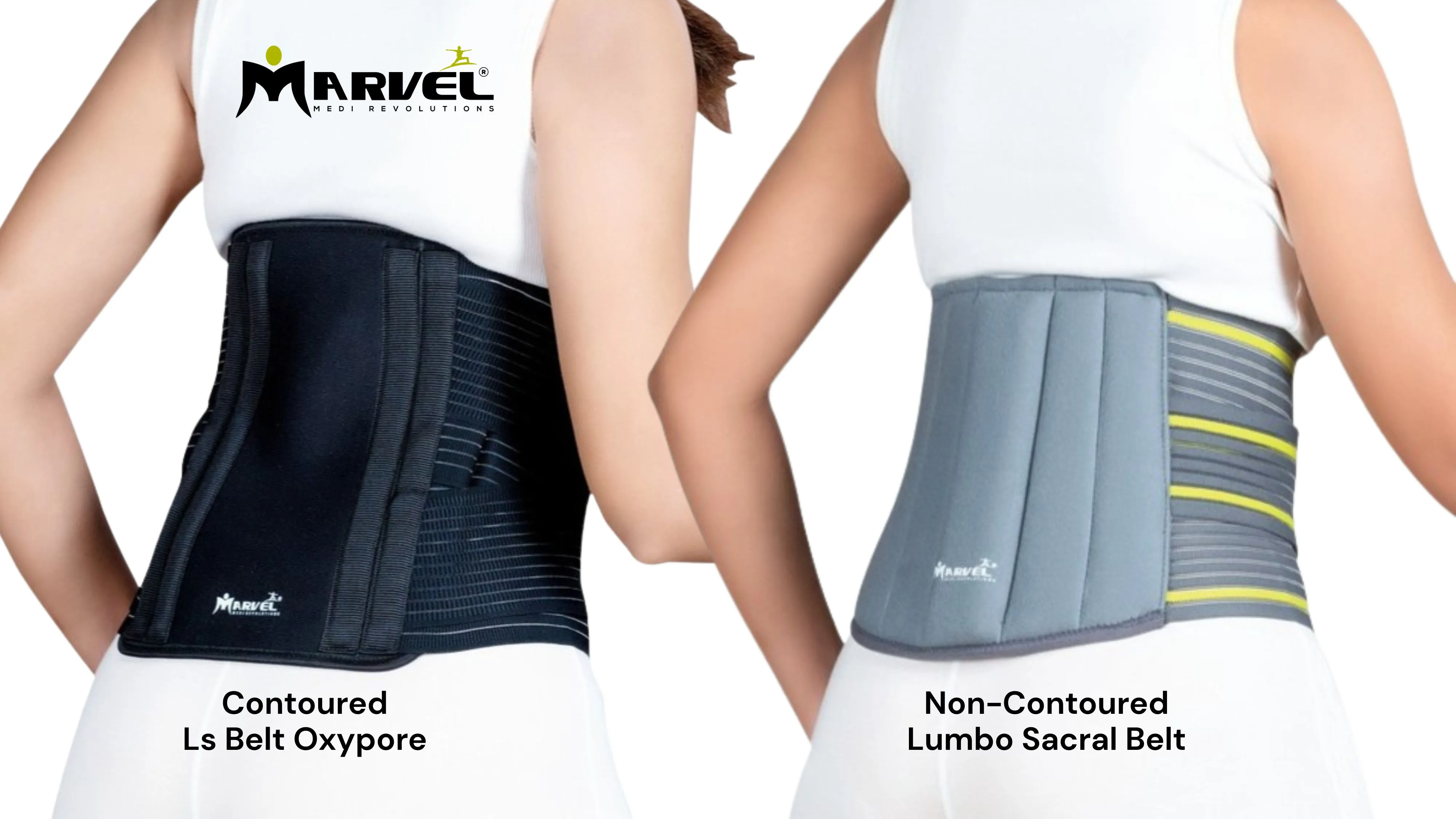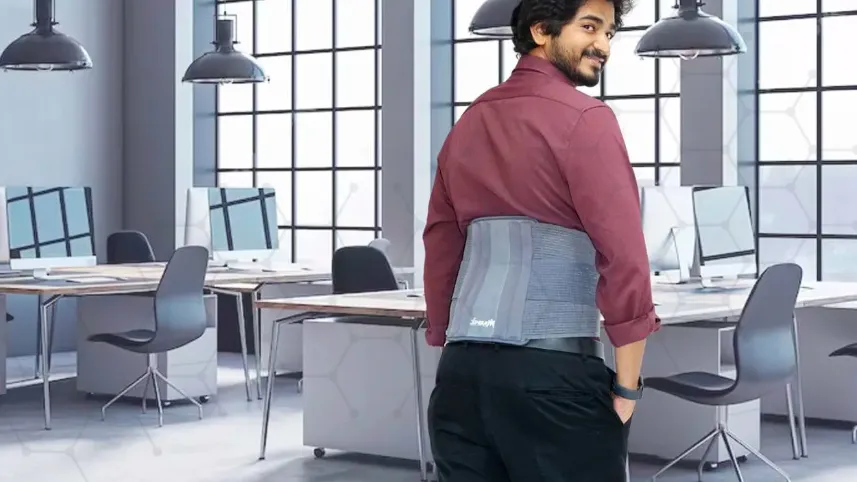
Fractures disrupt more than just bones, they affect movement, posture, muscle balance, and daily comfort. Proper support during recovery is critical to ensure bones heal correctly and to prevent long-term complications. This is where braces play an important role. Designed to stabilize, align, and support the body, braces assist the natural healing process while allowing safe recovery.
Why Support Is Essential During Fracture Healing
When a bone fractures, the body begins repairing it by forming new bone tissue. For this process to succeed, the injured area must remain stable and correctly aligned. Excess movement, poor posture, or uneven pressure can slow healing or lead to improper bone fusion. Braces help control these factors by providing external support where it is most needed.
Key Ways Braces Help Heal Fractures
1. Stabilization and Protection
Braces limit unnecessary movement around the fracture site, reducing stress on healing bones. This is especially important for spinal, joint, and posture-related fractures, where constant motion can interfere with recovery.
2. Maintaining Proper Alignment
Correct alignment ensures that bones heal in their natural position. Posture and support braces help keep the spine, shoulders, or limbs properly aligned, reducing the risk of deformity, stiffness, or chronic pain later on.
3. Pain Reduction
By supporting injured areas and minimizing strain on surrounding tissues, braces help reduce pain and discomfort. This allows individuals to move more comfortably and carry out daily activities with greater ease during recovery.
4. Muscle and Posture Support
After a fracture, muscles often weaken due to reduced activity. Braces share the load with muscles, preventing fatigue and strain. Posture correction braces are particularly useful in spinal or back fractures, where poor posture can increase pressure on healing bones.
Role of Posture in Recovery
Posture has a direct impact on fracture healing. Slouching or improper alignment can place uneven stress on bones and joints, delaying recovery. Posture-support braces gently guide the body into correct alignment, helping distribute weight evenly and reducing strain on the fracture site.
Encouraging Safe Movement
Modern braces are designed to balance support with mobility. While they protect the injured area, they also allow controlled movement, which helps maintain circulation, prevent stiffness, and support overall rehabilitation.
Conclusion
Braces play a vital role in fracture healing by providing stability, alignment, pain relief, and posture support. When used correctly, they help fractures heal more efficiently while reducing the risk of complications. For individuals recovering from posture-related or spinal fractures, braces are not just supportive aids—they are essential tools for safer recovery and long-term musculoskeletal health.